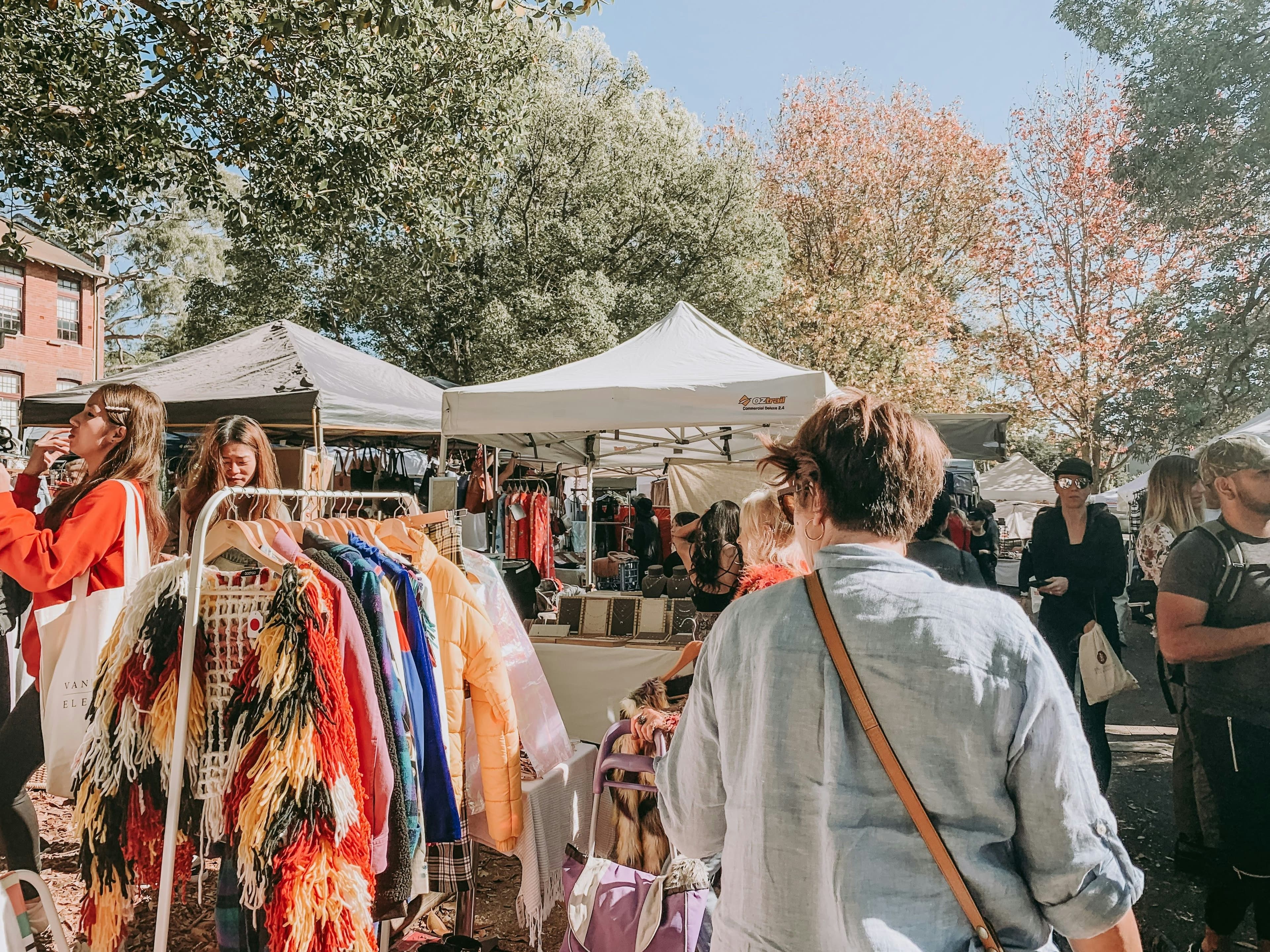
Hosting a vendor market is one of the best ways to earn income while building something for the community and local businesses. In this guide, we are going to go over how to pick a venue, recruit vendors, handle applications and payments, and run a smooth event day. It doesn't matter if it's your first pop-up or your first recurring market. This guide covers it all.
What is a Vendor Market?
In this section, can you quickly explain what a vendor market is, and in the second paragraph, add reasons why you might want to host a vendor market?
Types of Vendor Market
Before you plan anything, decide what kind of market you want to host. The type you pick shapes everything. Your venue needs, vendor mix, permits, and how you promote it all depend on this one decision.
Here are the most common types:
- Farmers markets — At farmers' markets, vendors sell fresh produce, baked goods, eggs, honey, and locally made food products. Usually weekly or biweekly with recurring vendors.
- Craft fairs — At craft fairs, makers sell handmade goods like jewelry, ceramics, candles, and art. Often seasonal or tied to holidays.
- Pop-up markets — Short-run or one-time events, sometimes themed. Great for testing an idea before committing to a recurring market.
- Flea markets — Vendors selling antiques, vintage finds, and secondhand goods. High variety, lower booth fees, and a different shopper than craft fairs.
- Food truck rallies — Mobile food vendors gathered in one spot. Simpler to organize but requires space for trucks to park and power up.
Look at what's already running in your area before you commit to a format. If three craft fairs happen every fall within five miles of you, a farmers market or pop-up might serve your community better. The type of market you choose will determine what permits you need, how you recruit vendors, and what your event day looks like.
Find the Perfect Location
Your venue can make or break your vendor market. A location that is hard to find with no parking will hurt attendance, no matter how good your vendors are.
Look for a space that's easy to get to, has enough parking for your expected crowd, and gives vendors room to set up without feeling cramped. Common options include parks, parking lots, community centers, downtown streets closed for the event, fairgrounds, and warehouse spaces.
Walk any space before you book it. Check for restrooms, electricity access, and water if your vendors will need it. If you're going outdoors, have a weather backup plan ready before you announce the event date.
One thing worth knowing is that public venues like city streets require permits and go through an approval process. Private venues like parking lots and community halls are easier to book and have fewer requirements. Know which one you're dealing with before you commit.
Get the Necessary Permits and Insurance
Permits take longer than most first-time organizers expect. Start this process as early as possible, ideally 3 to 4 months before your event date.
What you need depends on your location and market type, but most organizers will need some combination of an event permit from their city or county, a business license, and liability insurance. If you have food vendors, add a health department permit to that list.
Liability insurance is not optional. Most venues require proof of it before they'll let you book. A single-day event policy typically runs between $150 and $300 and protects you if someone gets hurt on site.
Call your local city or county office to find out exactly what applies to your situation. Some cities have streamlined permit processes for farmers' markets and community events, so it's worth asking specifically about those.
Vendor Registration & Booth Fees
Once you have your venue and market type locked in, the next step is setting up vendor registration and booth fees.
Booth fees are your main source of income as an organizer. Before you set a price, add up what the event will cost you. Venue rental, tables, permits, marketing, and supplies all count.
Set your booth fees to cover those costs with room left over. A 25 vendor market charging $100 per booth brings in $2,500. Price it right, and the market pays for itself with money to spare.
Most first time organizers start with Google Forms to collect vendor info. It works, but it has no payment collection, no booth mapping, and no way to communicate with vendors once they've applied.
Events Near Me is built for exactly this. You can create a vendor application, collect booth payments through Stripe, map out your booth layout, and text vendors directly from one place. It's free to get started, so there's no reason to patch together three different tools.
Get Started With Events Near Me
Advertise Your Vendor Market
Getting people through the door comes down to how well you promote. Start marketing 6 to 8 weeks before your event date.
Social media is the fastest way to build awareness. Post your market on Facebook and Instagram and ask your vendors to share it too. Vendors have their own followers, and a good chunk of those people will show up just to support them.
Paid ads can work well if you keep it simple. A Meta ad with a daily budget of $5 to $10 running for one to two weeks before the event is enough to get your market in front of local shoppers. Use a clear photo, your date and location, and a short description of what people will find there.
For longer-term visibility, list your market on Events Near Me. Your listing is indexed by Google and shows up in AI search tools like ChatGPT, so people searching for local markets in your area can find you without you paying for every click.
Event Day Logistics
Event day moves fast. The more you prep the night before, the smoother the morning goes.
Arrive 2 to 3 hours before vendors so you can mark booth spaces, put up directional signs, and get your check-in station ready. Brief your volunteers on their roles before anyone starts pulling in. Everyone should know where to go and who to flag if something comes up.
Keep a list of vendor names and their assigned booth numbers at check-in. It speeds things up and helps you spot no-shows early so you can adjust the layout if needed.
Walk the floor regularly throughout the day. Problems are easier to fix when you catch them before they turn into complaints.
Use Events Near Me SMS notifications to keep vendors in the loop in real time. If the weather changes, a booth needs to move, or there's a lost item on the floor, you can text every vendor at once instead of running around the market. It saves time and keeps everyone on the same page.
Ready to Host Your Vendor Market?
Hosting a vendor market takes planning, but it's one of the more rewarding events you can run. Pick the right venue, get your permits sorted early, set booth fees that cover your costs, and give vendors a smooth application process.
The organizers who pull it off well are the ones who stay organized and communicate clearly. Events Near Me handles the heavy lifting on both. Vendor applications, booth payments, layout mapping, and SMS updates all live in one place. It's free to get started at eventsnearme.io.