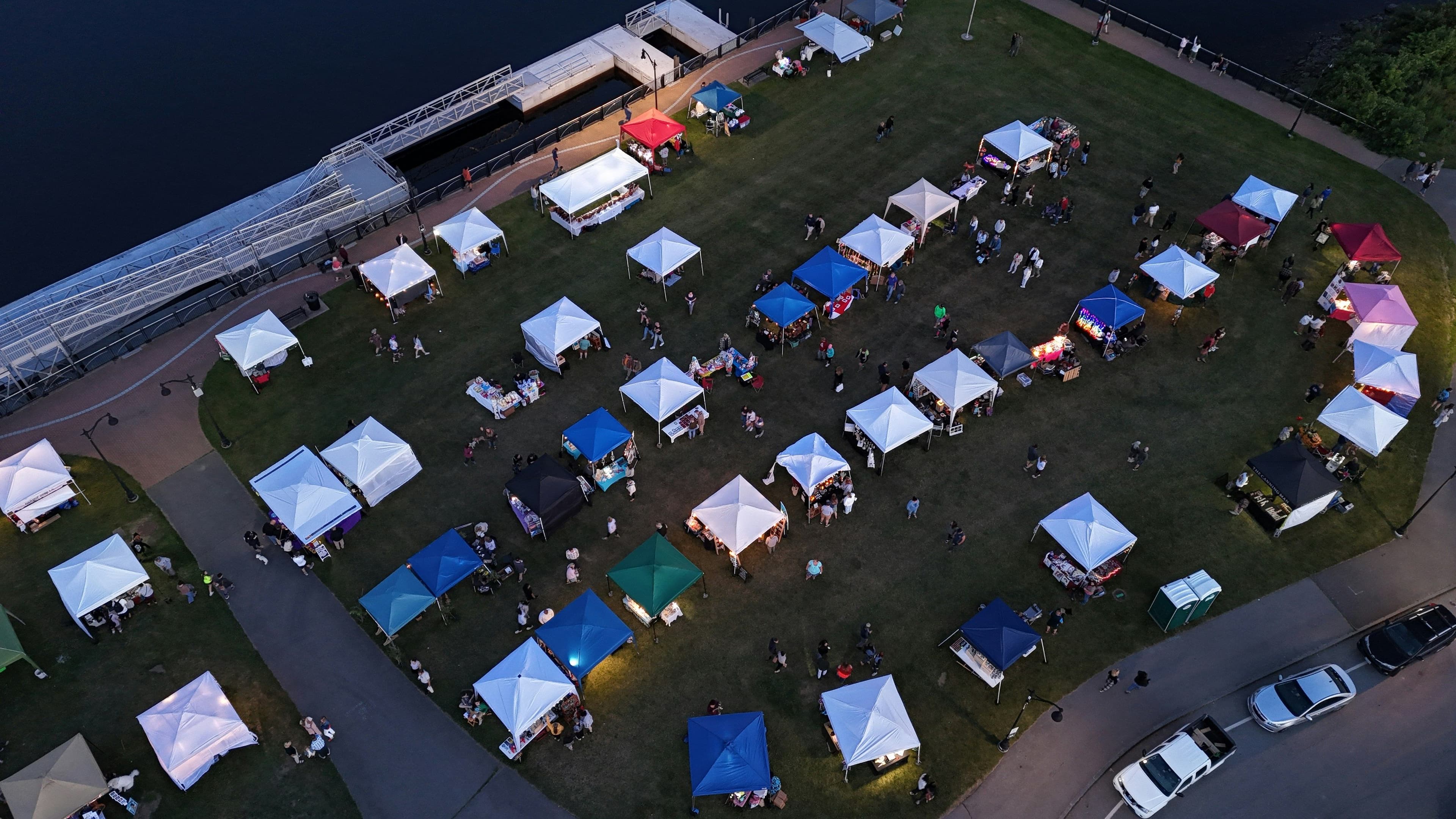
Organizing a craft fair is one of the more manageable events you can pull off as a first-timer. You don't need a big team or a huge budget. You need a plan, a venue, and the right vendors.
This guide walks through each step so you know what to do and when.
What is a Craft Fair?
A craft fair is an event where makers and small business owners rent booth space to sell their products directly to shoppers.
Think handmade jewelry, ceramics, candles, clothing, art, and food. Vendors pay you a booth fee to be there. Shoppers come to browse and buy.
That booth fee model is how market organizers make money. A 30-vendor fair charging $75 per booth brings in $2,250. The margins depend on your venue cost and what you provide, but craft fairs can be profitable even at a small scale.
Step 1: Set Your Goals and Budget
Start by getting clear on what you want this event to be.
How many vendors do you want? For a first fair, 20 to 30 is a manageable number. What kind of shoppers are you trying to bring in? Will you charge admission or keep it free? Knowing the answers shapes every other decision.
Then build a simple budget. Your main costs will be venue rental, tables and chairs if they aren't provided, any permits or insurance, marketing, and supplies for event day. Once you know your costs, you can set booth fees that cover them. Most first-time organizers price booths between $50 and $200, depending on the market and what's included.
Check out our Craft Market Software, built specifically for craft markets.
Step 2: Choose the Right Venue
Your venue is the foundation of the event. A bad venue kills the experience no matter how good your vendors are.
Common options for first-time organizers include:
- community centers
- church halls
- schools
- gyms
- parks
- empty retail spaces.
Each has tradeoffs. Indoor spaces give you climate control and easier logistics. Outdoor spaces cost less but need a weather backup plan.
When you're evaluating a space, check for parking, restrooms, loading access, and enough square footage to give vendors room to set up. A tight floor plan makes for a miserable experience for vendors and shoppers alike.
One thing first-timers miss is that public vs. private venues work differently.
Closing a block of street requires permits and city approval. A private parking lot or community hall does not. Know what you're dealing with before you sign anything. Book at least 3 to 4 months out since good spaces go fast in spring and fall.
Step 3: Create Vendor Application & Registration
Your vendor application is how you control the quality and variety of your fair. Don't skip this step or rush it.
A good application collects basic vendor info, what they sell, whether it's handmade or resale, and their booth size needs. It should also spell out your booth fee, what's included, setup and breakdown times, and your cancellation policy. Set a product limit per category, for example, two jewelry vendors max, so the floor has variety.
Events Near Me has craft market application templates built in. You can collect applications, accept booth fee payments through Stripe, and manage your booth layout all in one place. It's free to start, so there's no reason to cobble it together with Google Forms and Venmo.
Step 4: Plan Your Layout
A smart floor plan does more for your vendors' sales than almost anything else you control.
Put food vendors toward the back or corners. Shoppers will walk the whole floor to get to them, which gives other vendors more exposure. Leave wide aisles — at least 8 to 10 feet — so strollers and wheelchairs can move freely. Group similar vendors apart so they're not shoulder-to-shoulder competing for the same shopper. Mark exits clearly and plans for a rest area with seating so people stay longer.
Build a booth map and share it with vendors before the event. They should know exactly where they're setting up when they arrive. It cuts down on confusion and gives the morning a smoother start.
Step 5: Market Your Craft Fair
Start promoting 6 to 8 weeks out. That's enough lead time to build awareness without burning out.
Online, create a Facebook event and share it in local community groups. Post vendor spotlights on Instagram in the weeks leading up. List your fair on local event calendars — most are free to submit to. If your fair has a hook (local makers only, holiday theme, outdoor market), lead with that in every post.
Offline, flyers at coffee shops, libraries, and community boards still work. Ask your vendors to share the event with their own customers. They have an audience that's already interested in what they sell.
Every post and flyer should have the date, time, location, a short list of what shoppers can find, and parking info.
Step 6: Handle Logistics for Event Day
The week before the event is for confirming details, not making decisions.
Send vendors a reminder with their setup time, venue address, parking instructions, and your phone number. Tell them exactly what's provided and what they need to bring. Assign roles to your team or volunteers — check-in, floor help, cleanup — and build a day-of timeline.
Bring a first aid kit, extension cords, duct tape, scissors, directional signage, and a cash box for any on-site needs. Over-prepare here. Something will go sideways on event day, and you'll want to be ready.
Step 7: Run the Event
Arrive early. Unlock the venue and be there to direct vendors as they pull in.
Set up a check-in table so vendors can confirm their spot and get any last-minute info. Walk the floor regularly throughout the day. Problems are easier to fix when you catch them early. Stay visible and reachable.
Things will go wrong. A vendor won't show. Someone needs an outlet that isn't close to their booth. A shopper complains. That's normal. Handle each thing calmly and move on.
Take photos throughout the day. You'll need them for marketing the next one.
Ready to Plan Your First Craft Fair?
The steps aren't complicated — it's the follow-through that makes the difference. Start with a clear goal, lock in a venue early, and build a vendor application that sets expectations from the start.
If you want to skip the spreadsheets, Events Near Me lets you manage vendor applications, booth payments, and layouts from one place. It's free to get started at eventsnearme.io.