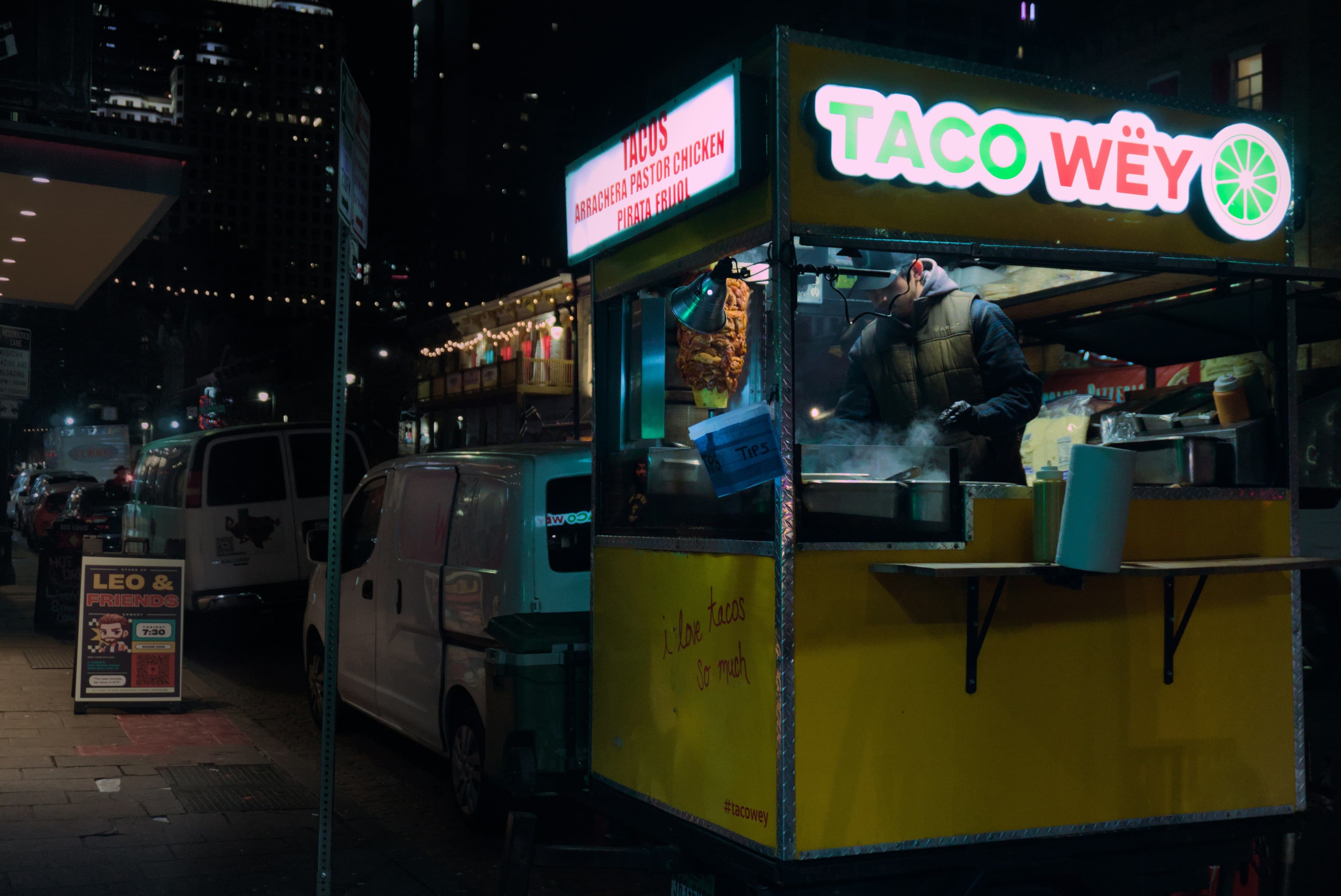
If you’re curious about launching your own pop up restaurant, you’re in the right place. In this pop-up restaurant ultimate guide, we’ll walk you through exactly what a pop-up restaurant is, how it’s different from a traditional eatery or a food truck, the advantages and challenges you might face, and the proven ways to turn your pop-up into a money-making venture.
Whether you’re dreaming of serving gourmet tacos at a music festival or catering intimate dinner parties, this ultimate guide to pop-up restaurants will give you the simple, straightforward steps you need to get started.
What is a pop-up restaurant?
A pop-up restaurant is a temporary dining experience that appears in a rented space, a shared kitchen, or even someone’s backyard for a limited time. Unlike a full-scale restaurant with a fixed location and a long-term lease, a pop-up lets you test your food concept without committing to huge overhead.
It’s not quite a food truck, because you’re not fully mobile; you set up shop in one place for a few hours or days. And it’s not a permanent restaurant, so you can experiment with menus, locations, and themes without the long-term risk. Think of it as a live market test that lets you gather feedback, build buzz, and refine your dishes before you invest in a brick-and-mortar spot.
Pros & Cons of a pop-up restaurant
Starting a pop-up restaurant comes with clear benefits and a few challenges.
On the plus side, you’ll face low overhead costs. You don’t need a long lease or expensive build-out, so your initial investment stays small. You also gain flexibility. You can move from one event to another, try different neighborhoods, or switch up your menu on a whim.
Pros:
- Low overhead costs
- Smaller initial investment
- Flexible
That said, running a pop up restaurant can be time consuming. From scouting venues to hauling equipment and coordinating with event organizers, you’ll spend a lot of hours behind the scenes. And it can be unpredictable. Weather, crowd size, and competing events all affect your sales, so you need to stay nimble and ready to pivot when things don’t go as planned.
Cons
- Time consuming
- Unpredictability
- No kitchen
How do pop-up restaurants make money?
Pop-up restaurants have several revenue streams. Below we break each one of them down.
Events
Community festivals, music festivals, and food fairs attract crowds looking to sample new flavors, and you can earn money by selling individual plates or sharing profits with organizers.
Private events
Private events are another avenue. Corporate gatherings, conferences, fundraisers, and parties all need catering, and a pop-up can offer a unique menu that stands out.
Weddings and special occasions
Weddings and special occasions are perfect for upscale pop-up concepts, where you can charge premium pricing for a memorable dining experience.
Temporary locations
You can also set up at a temporary location—like a vacant storefront or a weekend market—and sell directly to walk-in customers. By combining event appearances with short-term pop-up locations, you diversify your income and build brand awareness at the same time.
How to start a successful pop-up business
1. Brainstorm food concepts
Think about what will set your pop-up restaurant apart. Will you blend unexpected cuisines or highlight a family recipe? Research your market, check out competitors, and find a flavor combination that fills a gap.
2. Create an MVP and prove the concept
Before investing heavily, test your menu with friends, family, or small community gatherings. Attend other pop-ups as a guest to learn what works and what doesn’t. Feedback at this stage is gold.
3. Build your financial projections
Know your numbers from day one. List ingredient costs, equipment rentals, permits, and event fees. Estimate sales based on similar events or pop-up restaurants in your area. A solid projection keeps you focused on profitability.
4. Secure permits and licenses
Food service regulations vary by location. You may need health permits, temporary food service licenses, or liability insurance. Research local requirements early so you don’t get caught off guard.
5. Design your menu
With your projections and permits in hand, finalize a menu that balances customer favorites with high-margin items. Keep it concise so you can deliver consistent quality under pressure.
6. Network and create opportunities
Reach out to local event organizers, restaurants, and community groups. Join a vendor marketplace where planners look for food options. Building relationships is key to landing festival slots and private gigs.
7. Market your pop-up restaurant
Identify where your ideal customers spend time online. If you target Gen Z, build a presence on TikTok and Instagram. For an older audience, focus on Facebook and Google. Share mouth-watering photos, behind-the-scenes videos, and clear calls to action for your next appearance. Don’t forget to list yourself on vendor directories and event sites.
8. Fine-tune your business
After each pop-up, review what worked and what didn’t. Adjust your menu, tweak pricing, and refine your operations. Over time, these small improvements will turn your pop up restaurant into a thriving, sustainable venture.